The North Sea coast
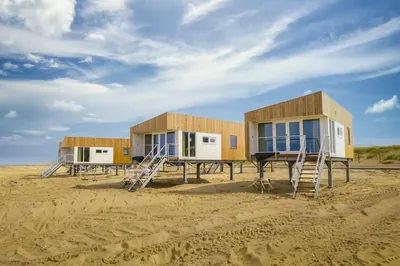
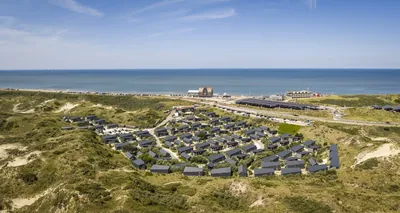
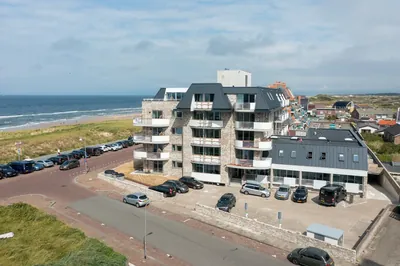
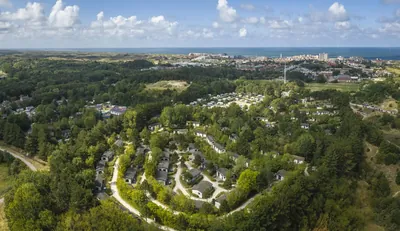
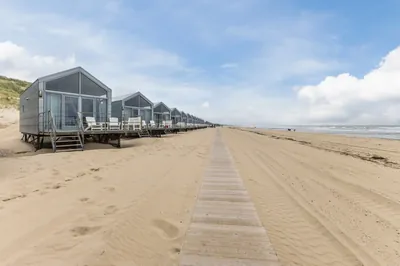
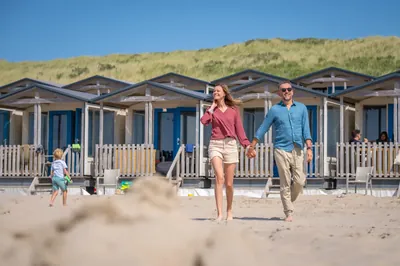
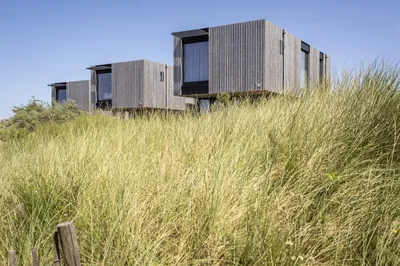
The coast runs from Zandvoort to Den Helder, with dunes that are kilometres deep in places. The Schoorlse Duinen are the highest in the Netherlands at 54 metres, and the forest behind them continues to Bergen. Beaches at Callantsoog and Julianadorp are wider and quieter than those at Zandvoort or Bloemendaal.
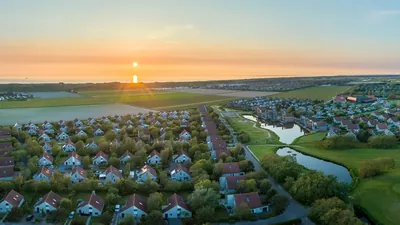
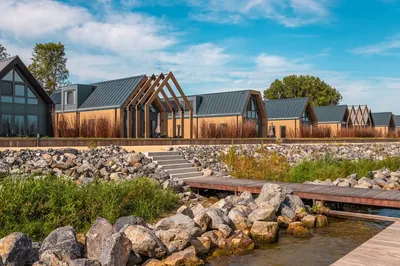
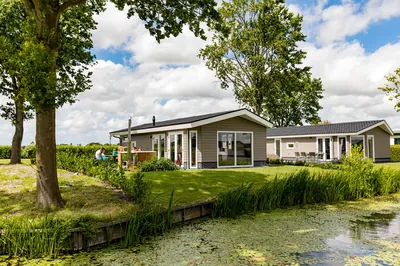
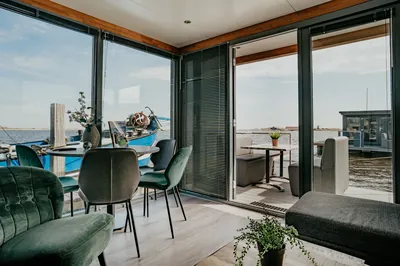
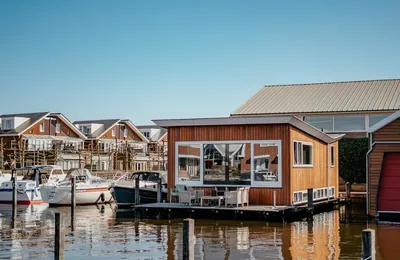
Dunes on one side, the IJsselmeer on the other, and Amsterdam half an hour away.
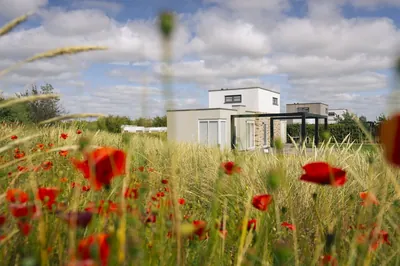
The dunes are a drinking water catchment and therefore largely car-free. Cycling and walking paths run through them, and in spring the bulb fields near Egmond and Bergen come into flower.
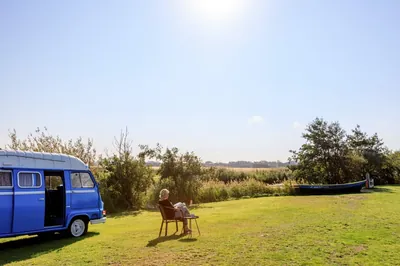
The IJsselmeer
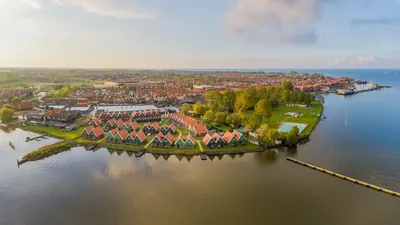
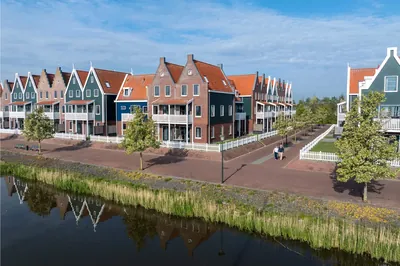
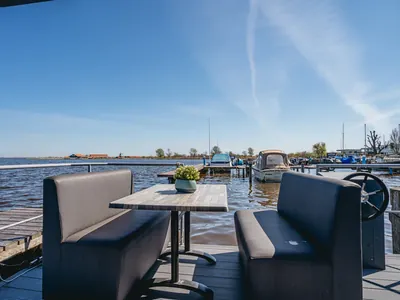
The eastern side holds the old Zuiderzee towns: Enkhuizen with its open-air Zuiderzee Museum, Medemblik with its castle, Hoorn and Volendam. These harbours once faced open sea and became inland water when the Afsluitdijk was completed in 1932. The water is calmer than the North Sea, which suits sailing and canoeing.
Tip
A ferry runs from Enkhuizen to Stavoren and Urk. Take a bike: you can spend a day on the Frisian side and come back in the evening. It sails several times daily in high season and on a reduced timetable otherwise.
Amsterdam from a holiday park
If you want to see Amsterdam without sleeping there, Amstelveen and Halfweg work well. Both are half an hour from the centre by public transport and cost a fraction of city accommodation. Schiphol is in this province too, which helps if you are flying in.
Who North Holland suits
- Anyone combining beach and city without long drives
- Cyclists: the dunes and the IJsselmeer shore are both close
- Watersports on the IJsselmeer and the Markermeer
- Visiting Amsterdam while sleeping outside the city
When to go
April and May bring the bulb fields near Egmond and Bergen. Summer is peak season on the coast, with Zandvoort and Bloemendaal busiest and Callantsoog and Julianadorp quieter. September is the best beach month: warm water and empty sand. In winter the dunes are silent and the IJsselmeer towns pleasantly empty.