The Lauwersmeer
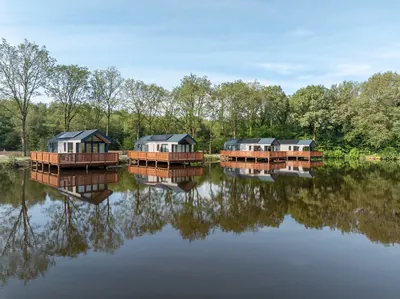
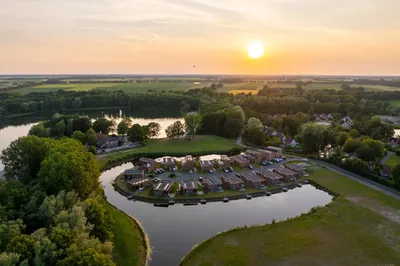
The Lauwersmeer was created in 1969 when the Lauwerszee inlet was dammed. A sea arm became a freshwater lake ringed with reed beds and mudflats, and the birds followed. It is now a national park and one of the most important breeding grounds in the northern Netherlands.
One of the darkest places in the Netherlands: on a clear night the Milky Way is visible to the naked eye.
The ferry to Schiermonnikoog leaves from Lauwersoog and takes forty-five minutes, which makes this a practical base for visiting one of the Wadden Islands without staying there. Lauwersoog itself is a fishing harbour with an auction hall selling the morning's catch.
Westerwolde and the east
Sellingen and Wedde lie in Westerwolde, an area of stream valleys, ash woods and old forest that looks nothing like the rest of the province. At Bourtange stands a fully reconstructed star fort from 1593, with ramparts, moats and a village inside the walls.
Tip
Bourtange was built during the Eighty Years' War to control the only road across the marshes between Groningen and the German bishopric of Münster. It was reconstructed in 1964 from the original 1742 plans, and you can walk the ramparts and the casemates. The village inside is still inhabited.
Who Groningen suits
- Anyone after space and quiet, even in high season
- Birdwatchers: the Lauwersmeer is a migration site of real significance
- Stargazers
- Cyclists who like straight roads and long horizons
Less suitable if you want choice: with four parks this is the smallest selection in the country. And the wind has free rein, which can make cycling harder work than the flat ground suggests.
When to go
Spring and autumn are the migration seasons at the Lauwersmeer, with tens of thousands of geese and waders. Summer is quiet compared with the coast further west. Winter is the best season for stargazing: long nights and almost no light pollution.